Weekends in Tucson often revolve around breweries, outdoor events, and seasonal celebrations. At the same time, Arizona takes DUI enforcement seriously, and a single lapse in judgment can carry significant consequences. Here’s a quick overview of what to know.
1. What “Zero Tolerance� Actually Means
You might think you’re safe to drive as long as your blood alcohol concentration remains below 0.08%. Not quite. Arizona law allows officers to arrest you if you’re impaired to the slightest degree.
To put the state’s aggressive enforcement in perspective, law enforcement agencies made about 27,000 DUI arrests from over 1.2 million traffic stops in 2023. Troopers and local police don’t take chances when they suspect a driver has been drinking.
First-time offenders face severe penalties that create a strong impact. A first-time standard DUI carries a minimum of 10 days in jail (though a judge may suspend 9 of those), plus fines starting at $1,250. The state established these penalties because accounted for over a quarter of all traffic deaths in Arizona, according to 2024 statistics.
People are also reading…
2. Extreme and Super Extreme DUIs (Yes, Those Are Real)
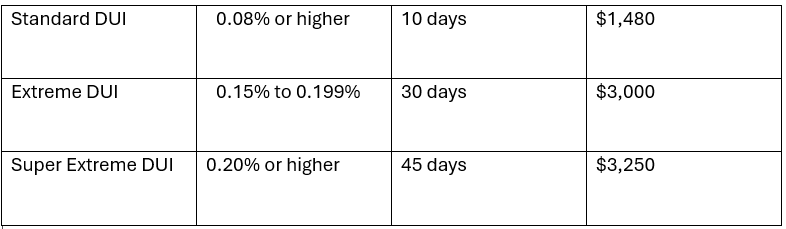
Arizona sorts DUI charges into tiers based on your blood alcohol concentration at the time of arrest. The mandatory minimums become more severe when the established number increases. A first-offense “Extreme DUI,� meaning a BAC of 0.15% or higher, means at least 30 consecutive days in jail and a $2,500 fine at the minimum. Judges have almost no wiggle room here.
On top of that, for all DUI convictions, including first-time standard offenses. Here’s how the penalty tiers break down:
3. The Marijuana Gray Area
Arizona’s zero-tolerance approach doesn’t stop at alcohol — it extends to recreational marijuana as well. Recent cases show how firmly Arizona applies its marijuana DUI laws. A driver might be pulled over for something like drifting between lanes, and even with no alcohol detected, officers can still make an arrest if they notice signs such as the smell of marijuana.
Sound confusing? That’s because it is. Police don’t have a standard breath test for marijuana, and blood tests are legally complicated because Arizona hasn’t set a clear threshold for cannabis impairment. It’s a legal gap that leaves drivers and courts in uncertain territory.
4. High-Enforcement Holidays and Traffic Stops
Task forces like the Tri-City DUI Task Force coordinate stops throughout holiday weekends to actively look for impaired drivers. And if you’re pulled over and refuse a chemical test (breath or blood), that’s an automatic 12-month license suspension.
So what should you do if you’re stopped during one of these crackdowns? Here are a few practical tips:
- Pull over safely and turn on your interior light.
- Keep your hands visible on the steering wheel at all times.
- Provide your license and registration, as well as your proof of insurance, without arguing.
- Remember, you have the right to remain silent and can politely decline questions about your evening.
5. Getting Legal Help When You Need It
You need to hire an attorney because you and your loved ones need legal support to handle your court case in Arizona, which requires multiple legal steps. The main point is that legal expertise provides essential support, although law enforcement maintains strict control throughout the state, particularly in Maricopa County.
The best way to handle a Tucson charge or learn is to hire a defense lawyer who can start working on your case from the beginning. A lawyer should have experience in prosecution because former prosecutors possess knowledge about state case development, which enables them to effectively contest field sobriety tests, blood draws, and suspicious traffic stops.
Don’t wait to reach out. Many defense firms offer judgment-free consultations around the clock, so you’re never stuck figuring this out alone.
Stay Safe Out There
Tucson has no shortage of great reasons to go out on a weekend. Just make sure you’ve got a plan to get home. Use a rideshare app, designate a sober driver, or look out for friends who might need a nudge toward a safer option. A quick phone call for a ride can save a life and keep your record clean. That’s a trade worth making every single time.