


A controversial football 鈥減rep school鈥� targeting at-risk high school graduates appears to be in crisis.
After failing to pay rent for the last three months, the founders of Tucson Tech have told players to vacate the program鈥檚 housing facility and find somewhere else to stay. A local wholesaler has repossessed the dorm鈥檚 furniture. The program has lost its contract with a local food bank that was providing donated food for its players.
It even canceled its last two games of the season.
鈥淲e thought we were giving our son a great opportunity,鈥� said Amy Gonzales of Houston, who last week became the second Tucson Tech parent to file a complaint with the Arizona Attorney General鈥檚 Office. Her son left the program after three months when his coach told him he had to move out of the dorms.
Gonzales said her complaint described the program鈥檚 deceptive practices, which led her son to believe he鈥檇 get a real college experience at Tucson Tech, with academic support and high-quality football program that would prepare him for play at a higher level. Instead, Gonzales said the family is now in debt, with an even steeper climb to get her son into a legitimate college.
People are also reading…
鈥淚t did seem a little too good to be true, but we went with it,鈥� she said. 鈥淚t鈥檚 just heartbreaking how it ended.鈥�
Former players who spoke to the Star said Tucson Tech didn鈥檛 offer the college setting they expected. They described a costly meal plan; sporadic football practices; expired gym memberships; and unreliable transportation to a practice field 14 miles from the dorm. Most said playing football was the only positive aspect of Tucson Tech, although one of their games ended in an on-field brawl that prompted police involvement.
Program founders Sharon Shalosky and her husband, Jeff Pichotta, have said their program targets at-risk students who are unlikely to attend college and 鈥渙verlooked鈥� athletes who weren鈥檛 recruited to play college ball. Tucson Tech offers them a chance to play another year of football and hopefully catch the eye of a college recruiter, while enrolling in some college courses and getting academic support.
Shalosky confirmed that she received a list of questions from the Star last week, but she did not respond to them.
Tucson Tech鈥檚 website says its 鈥渁t-risk student program鈥� uses a life-skills training program to help students 鈥渢ransition from our school to a more traditional college where they will have a great chance at success.鈥�
But Tucson Tech isn鈥檛 a school. It doesn鈥檛 offer college classes and doesn鈥檛 have any academic accreditation. The website says it is transitioning to becoming 鈥渁n accredited private college.鈥�
While some players attended the program for free, Shalosky told others their out-of-pocket costs would be anywhere from $5,000 to $15,000, including housing and a meal plan. Some traveled across the country 鈥� from Florida, Louisiana, Massachusetts and Texas 鈥� expecting a full season of competition, and a full year of athletic training and academic support.
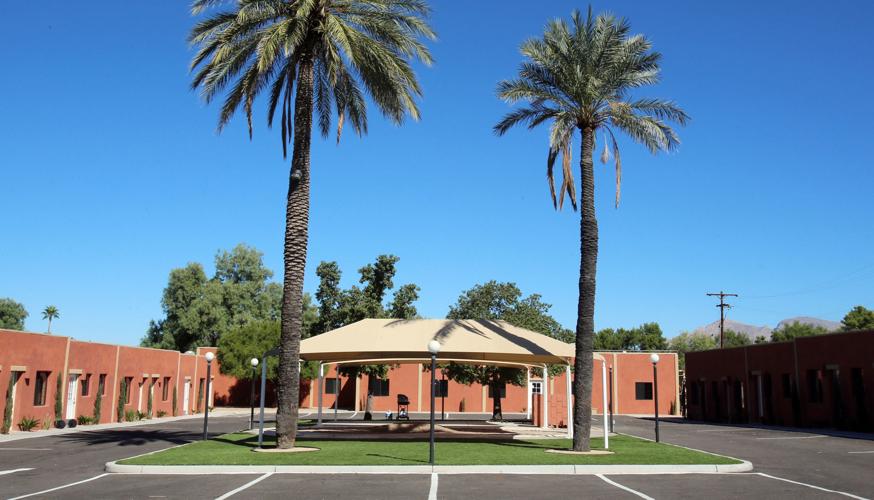
But former players described a chaotic and disorganized program that appears to have ended months early. Those who lived at Tucson Tech鈥檚 鈥渄ormitory鈥� at 1130 W. Miracle Mile were left scrambling to find a place to stay when Shalosky and Pichotta abruptly told them they鈥檇 have to clear out by early October.
Players spoke to the Star only on the condition of anonymity because they still hope Pichotta will send their game film or highlight reels to college recruiters.
In August, the Star reported on players who attended Tucson Tech in 2015 鈥� when it was called Arizona Prep Sports Academy 鈥� and said the program and hurt them financially. A number of players said that after their negative experience, they didn鈥檛 want to play football again.
In June, one player鈥檚 father, Chris Crider of Orlando, Florida, filed a complaint with the Attorney General鈥檚 Office and Federal Trade Commission, alleging the program鈥檚 leaders set up a TEP account in his son鈥檚 name without permission last year, racking up hundreds in unpaid electric bills and marring his son鈥檚 credit rating.
TAKING ON DEBT
Players say Shalosky and Pichotta encouraged them to take on debt to cover the cost of their program and to pay for online classes at Morthland College, a Christian college in Illinois, where Shalosky and Pichotta advised players to enroll.
Tucson Tech emailed players a document titled 鈥淔inancial Aid Guide for Parents,鈥� which describes how to fill out the Free Application for Federal Student Aid, or FAFSA, and instructs players to use Morthland鈥檚 FAFSA code. The document tells parents to apply for a Direct PLUS loan through the federal financial aid program 鈥渋f you feel that you will need more funds.鈥�
In an email provided to the Star, Shalosky told Gonzales鈥� son he was getting a 鈥渇ull ride.鈥� But Gonzales later found out the scholarship didn鈥檛 include food or housing, which Shalosky told her would cost $15,000 for the year, including a $5,000 meal plan and housing at the dorm on Miracle Mile. Gonzales took out $15,000 in loans 鈥� a student loan for her son and federal Direct PLUS loan for her. They鈥檝e already paid $5,500 of that to Tucson Tech.
Gonzales is on disability and her husband was recently injured on the job installing grocery store aisles, and is working limited hours. But Tucson Tech seemed like an important opportunity for her son, whose grades were too low to get a scholarship at a traditional college.
鈥淥ur funds were very limited. We didn鈥檛 have a savings,鈥� she said. But 鈥渨e didn鈥檛 want to hold him back from trying to make a name for himself in football.鈥�
Her son used his Pell Grant and some of his student loan to pay for two online courses at Morthland. But even that was a bust: He couldn鈥檛 complete those courses because for most of July 鈥� his first month at Tucson Tech 鈥� the program had no computers or reliable internet access for players, Gonzales said.
Tucson Tech鈥檚 website featured a photo of a computer lab on its 鈥淚ncoming Freshman鈥� page.
鈥淭hey showed everything nice and fancy-looking,鈥� Gonzales said. 鈥淭hen you get there and there鈥檚 nothing.鈥�
After the Star inquired about the computer lab photo last week, the page was removed from Tucson Tech鈥檚 website.
HOUSING CONFUSION
Brandon Rivera, 19, who graduated in May from El Dorado High School in Chandler, said he was sleeping on the floor during his last week at Tucson Tech after the furniture wholesale company that provided the dorm furniture came and took it all back 鈥� beds, refrigerators, TVs and microwaves. A representative of the furniture company, Liquidation Experts, would not comment on the situation.
A copy of Rivera鈥檚 lease agreement states the agreement began July 1 and ends May 1, 2017. The agreement says the player should pay 鈥淭ucson Tech College LTD,鈥� not the property owner.
In a Sept. 29 email to the Star, Shalosky said she had a short-term lease with her landlord that ended in October.
鈥淲e have taken care of our obligations like we should,鈥� she wrote. 鈥淔eel free to call (the landlord) if you choose to. He will tell you the same. Our short-term lease ends in October and at that time we will decide if we are gonna want to do dorms. To print anything otherwise will be lies.鈥�
But property owner Daniel Eftimoff told the Star last week that Tucson Tech鈥檚 lease was supposed to run until May 2017. He had agreed to waive the security deposit and didn鈥檛 require proof that Shalosky and Pichotta could pay the $10,000 monthly rent because he believed in their vision for Tucson Tech, he said.
鈥淭hey had me convinced. I was willing to give them a shot, believing in what they were doing,鈥� he said.
Eftimoff said players were supposed to use their financial aid money to pay rent to Shalosky and Pichotta, who would then pay Eftimoff. But he said the couple told him too many players either didn鈥檛 fill out their paperwork or didn鈥檛 pass along the money.
The couple never paid him anything, Eftimoff said. In September, they asked to terminate their lease after the football season, he said.
Eftimoff said he agreed to forgive Tucson Tech鈥檚 $30,000 debt if the couple would repair damage to the property, and clean and furnish the rooms. They have until the end of the month.
A SECOND CHANCE
Not everyone is disappointed with Tucson Tech. Madison, Florida, native Christian Brown, 18, said the program has been a positive experience for him. Brown plays outside linebacker and said the only thing holding him back from playing college ball was his low ACT scores.
Brown said he hasn鈥檛 yet gotten ACT prep from Tucson Tech, but that will likely happen in the spring. He intends to play at the NCAA level and beyond.
鈥淢y main goal, I want to see myself playing on TV,鈥� he said. At Tucson Tech, 鈥渋t鈥檚 like another chance.鈥�
Brown said about 10 Tucson Tech players are still in town, living on their own in apartments. Brown said he didn鈥檛 pay anything to Tucson Tech directly 鈥� he used federal financial aid to pay for two online courses at Morthland College. He expects that in the spring, Tucson Tech will offer more football training and its life-skills training course, which didn鈥檛 happen in the fall, he said.
Shalosky didn鈥檛 respond to the Star鈥檚 questions about what Tucson Tech plans to offer its players in the spring.
MEAL PLAN
Tucson Tech obtained the food it served to players from a partnership with the Community Food Bank of Southern Arizona, which has 鈥渁gency agreements鈥� with local nonprofits eligible to receive donated food.
Six players told the Star that Shalosky and Pichotta attempted to charge some players $5,000 for their meal plan. (Other players said the meal plan was included in their scholarship.) That would violate the food bank鈥檚 agency agreement with Tucson Tech, which prohibits the reselling of donated food intended for the needy, said food bank CEO Michael McDonald.
Former player Yvan Watson, 19, of Worcester, Massachusetts, said one night a number of Tucson Tech players protested the high cost of the plan, relative to the quality and quantity of food provided. He said Shalosky and Pichotta then lowered the cost to $1,200. Some players said Shalosky eventually changed her mind and said there would be no charge for the meal plan.
Shalosky said in an August email to the Star that Tucson Tech does not charge for the meal plan.
As of last week, the food bank has suspended its agency agreement with Tucson Tech, said McDonald, noting he has not been able to verify that Tucson Tech wasn鈥檛 trying to sell the donated food.
ON-FIELD BRAWL
The team played seven games this year against junior colleges as well as junior varsity teams from some four-year colleges .
One opponent was the Tucson Thunder, a minor-league team for adults who want to play football recreationally. That game ended up being a disaster for the Thunder, said team president Kasy Schug.
The Tucson Thunder is seeking nonprofit status and its charitable mission was a big part of the reason the team wanted to help Tucson Tech get its program off the ground, Schug said.
After the Sept. 10 scrimmage, an on-field brawl broke out on the Tucson Thunder鈥檚 home field at Tucson High Magnet School. Because of the fight 鈥� which Schug said resulted in injuries to some of the Tucson Thunder鈥檚 ball boys and water girls 鈥� Tucson High has revoked the agreement allowing the Thunder to play on its field, Schug said.
A TUSD spokeswoman said that decision is under review and might be reversed.
During the fight, three or four Thunder players were surrounded and assaulted, Schug said. Tucson Tech players were fighting among themselves and even with their own coach.
A TPD report listed Tucson Tech head coach Bruce Hubbard as a victim of the fight. Hubbard did not return calls seeking comment.
REGRET
Unlike on the East Coast, where prep schools are more common, Arizona high school athletes who don鈥檛 get recruited to play college ball don鈥檛 have many options, said Rivera鈥檚 football coach at El Dorado High School, Anthony Simpson. There鈥檚 definitely a place for a legitimate prep school, he said, but Tucson Tech is not the answer.
鈥淚 will not recommend any of my players to go down there,鈥� he said.
Rivera鈥檚 mom, Princess, said it breaks her heart that her son blames himself for the wasted time and money spent on Tucson Tech. She is a full-time caregiver to her daughter, who has a rare liver condition that requires constant care, and relies on child support and Social Security to support her family. She said her son has weathered concussions and two knee surgeries in order to keep playing football.
鈥淗e wanted this so, so, so much,鈥� she said. 鈥淚 feel like I failed. I didn鈥檛 do my research.鈥�
Before her son came to Tucson, she asked Jeff Pichotta about rumored problems at Tucson Tech. Pichotta assured her that 鈥渉e鈥檇 corrected everything,鈥� she said.
Brandon Rivera said the negative experience at Tucson Tech has him questioning the role football will play in his life.
鈥淲hat once was my whole life is not even a fraction of it anymore. That hurts, to be honest,鈥� he said. 鈥淭hey totally diminished the fire I had inside of me.鈥�