

Since its launch in 1965, Medicaid has been prohibited from covering health care services for incarcerated individuals, which has put the financial burden on the state and counties to cover correctional health care costs.
Although Medicaid is suspended during incarceration, individuals can apply for medical benefits in anticipation of their release date. But even when they are released from jail, it’s difficult for individuals to be reconnected to Medicaid or other insurance coverage to treat any potential behavioral health conditions.
In 2023, California became the first state authorized to use federal Medicaid dollars for select health care services in its jails, prisons and juvenile correctional facilities through the Medicaid Reentry Section 1115 Demonstration waiver. This allows eligible detainees with a documented health care need such as a chronic mental illness or substance use disorder to be connected to specific services up to 90 prior to their release.
People are also reading…
In July 2024, Illinois was one of five states to be granted a five-year extension of the Medicaid Reentry , which would help to secure additional Medicaid resources for treating substance abuse and other health problems.
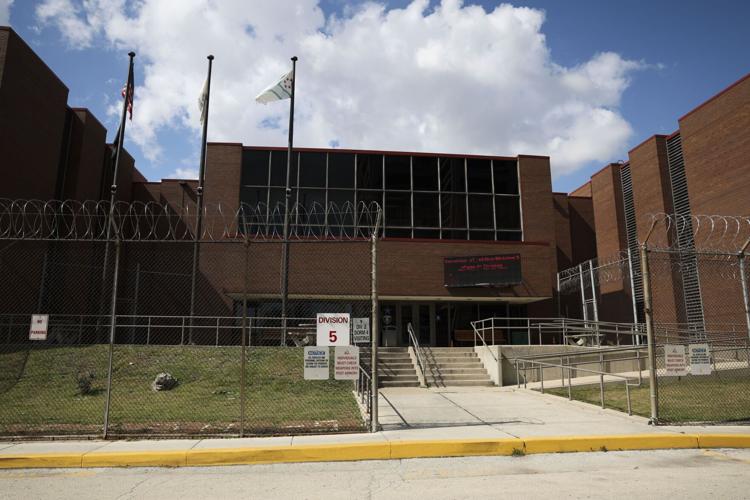
With the extension, Illinois is attempting to roll out a pilot initiative that would automatically enroll Medicaid-eligible inmates of the Cook County Jail into the CountyCare Health Plan up to 90 days prior to their release date.
The proposed program also provides for like case management and transition planning up to 90 days before an inmate's release.
Judith Ruiz-Branch, a former senior public service administrator with the Illinois Department of Healthcare and Family Services, said that although the pilot program would only apply to Cook County Jail detainees at first, the intent would be to implement the community reintegration benefits for individuals in other counties who are leaving carceral settings.
“While the specific financial impact of expanding for inmates is yet to be determined, ensuring that individuals in carceral settings have chronic conditions such as diabetes, hypertension, and mental illness under control and discharge with a supply of medications and a plan for ongoing care in the community will help to avoid costly emergency department visits and inpatient hospitalizations,� Ruiz-Branch wrote.
Although the federal Centers for Medicare and Medicaid Services issued a memo rescinding previous Health Related Social Needs guidance, DHFS media relations officer Melissa Kula said this does not negate the existing approval of the state's 1115 waiver.
"At this time, HFS will continue operational planning related to the 1115 waiver and will monitor any developments closely," Kula said.
Gov. J.B. Pritzker and other state leaders on March 8 celebrated the launch of the Behavioral Health Workforce Education Center at SIU School of Medicine in Springfield.
Ongoing coverage: Mental heath in Bloomington-Normal and Central Illinois
In recognition of Mental Health Awareness Month, here's a look at our recent coverage of mental health resources and challenges in Central Illinois.Â

Local police leaders say they are working to break down the barriers and culture surrounding the mental health of officers to help them cope with traumatic events.

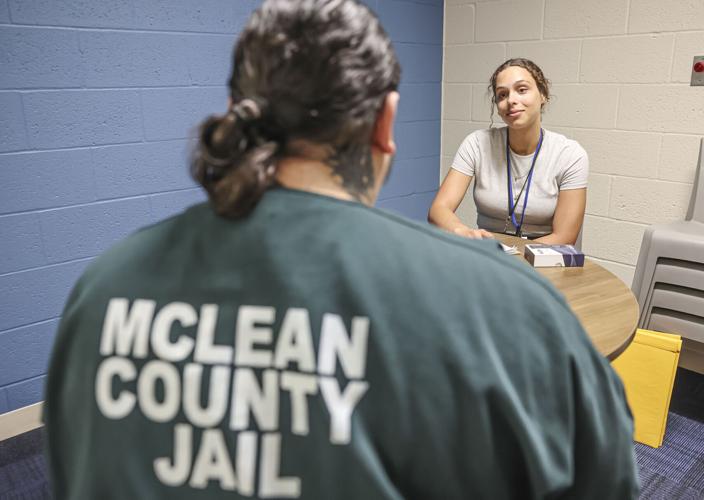
Inmate services at the McLean County Jail have evolved and been rebranded to reflect the behavioral health needs of detainees.

In Bloomington-Normal, Illinois State University, Illinois Wesleyan University and Heartland Community College are working to support student well-being through counseling, education and community care.

A look at the low-cost and free mental health services in Bloomington-Normal and McLean County in honor of Mental Health Awareness Month.Â

In Bloomington-Normal, the community's growing diversity is highlighting the importance of accessible mental health services for non-English speakers.
Contact Drew Zimmerman at 309-820-3276. Follow Drew on Twitter: @DZimmermanLee


